REF or EIS: choose your NSW approvals pathway before it chooses you.
The assessment pathway is not a planning formality. It decides how long approval takes, what your conditions look like, how much your project can change during delivery, and who you answer to when it does.
Every major project in New South Wales passes through one of a small number of assessment doors. A Review of Environmental Factors under Part 5, where the proponent assesses its own activity. An Environmental Impact Statement under Part 4 or as State Significant Infrastructure, where the Department assesses it and the Minister approves it. Or Critical State Significant Infrastructure, where the state decides the project will happen and the assessment shapes how.
On paper the choice is made by thresholds and schedules. In practice, many projects sit near a boundary, and the pathway taken is a genuine decision, made early, often by people who will have left the project before its consequences arrive. The delivery team inherits the result.
The pathway is a contract
Each pathway gives you a different set of obligations and a different relationship with the regulator. A REF produces conditions the proponent largely writes for itself, and a document it can revise through consistency review when the design moves. An EIS produces a Minister's instrument of approval: numbered conditions, drafted by an assessment team, enforceable as written, modifiable only through a formal process with its own clock.
That difference matters more during construction than it ever does during assessment. Methods change. Hours change. Footprints creep. The question that decides your programme is not “was this approved?” but “how hard is it to change what was approved?” — and the answer was fixed on the day the pathway was chosen.
The pathway you choose is the contract you deliver under. Pick it for the project you will build, not the one in the concept design.
Where projects get caught
The most common failure is outgrowing the assessment. A REF describes an activity: a method, a set of hours, volumes, a footprint. Approval attaches to that description. When delivery diverges — a different crossing method, a bigger laydown, night work that was never assessed — the works can drift outside the approval without anyone making a decision to leave it.
We call this the assessment basis problem, and it is where cheap, fast pathways quietly become expensive. Finding a divergence during planning costs a memo. Finding it during an audit can cost the work.
The second failure is underestimating the secondary layer. No pathway covers everything. Environment protection licences, out of hours works approvals, council exemptions, water permits and crown land consents all run on their own clocks, held by authorities who were not part of the main assessment. A project that chose the REF for speed can still find its programme hostage to a licence variation it did not plan for.
Five questions before you commit
- How settled is the design? The less settled, the more a rigid condition set will cost you later.
- How much change do you expect in delivery? Compare the modification pathway of each option, not just the assessment timeline.
- Who do you want to answer to? Self-assessment keeps obligations close; a Minister's approval brings auditors, environmental representatives and formal compliance reporting.
- What does the community expect? A pathway with no exhibition can save months and then lose them again at the first petition.
- What sits in the secondary layer? List every licence, permit and consent before you pick, because the pathway decides how many you carry alone.
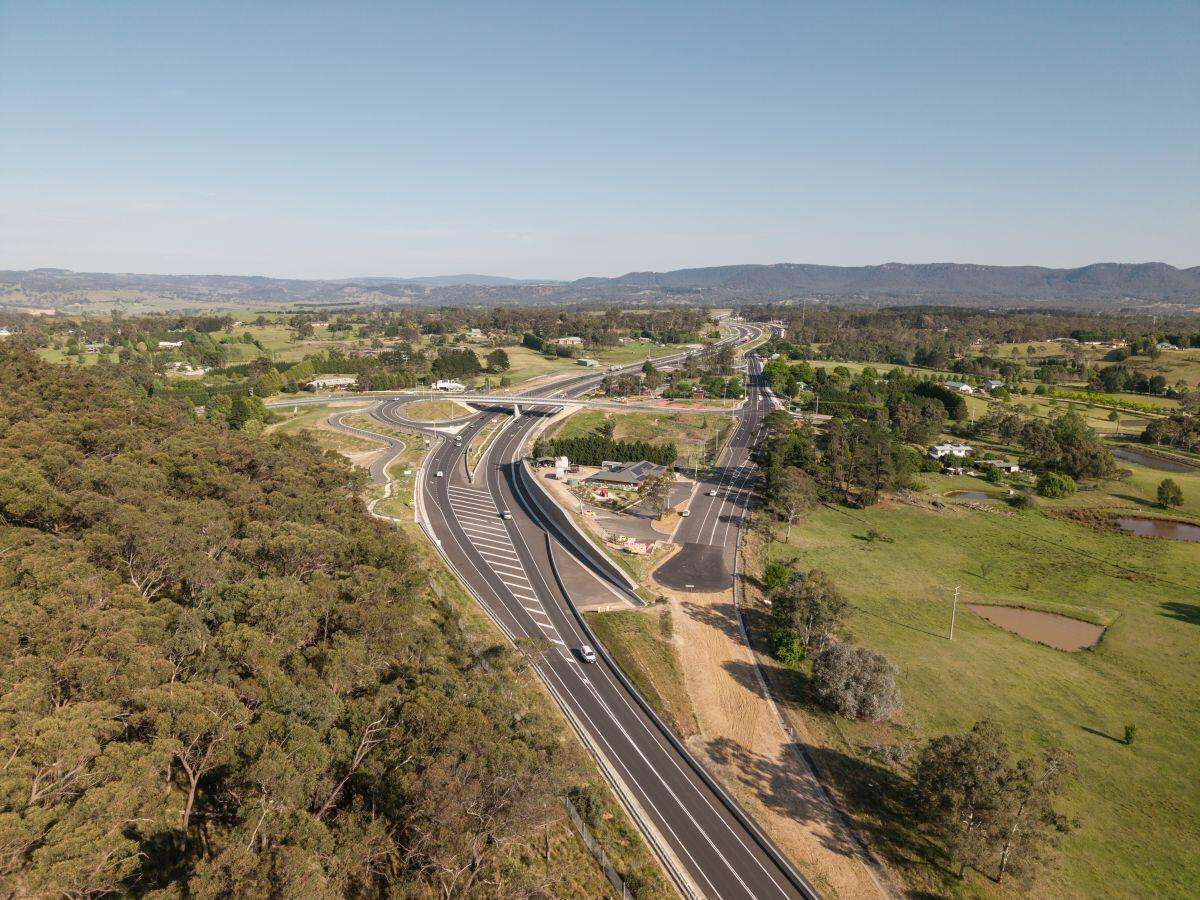
We have delivered under both doors. A Part 5 road upgrade assessed by REF, carried from design through delivery to opening. A gas pipeline under Critical State Significant Infrastructure, where the modification pathway was used mid-delivery to change the conditions of approval. Same state, same regulator family, completely different jobs. The teams that did well on both were the ones that treated the approval as a delivery document from day one.
Choose it like a delivery decision
The pathway decision usually sits with planners and lawyers. It should also sit with the people who will build the job. Before the decision is made, put the construction method, the hours, the likely changes and the secondary approvals on the same page as the assessment timeline, and choose the door you can live behind for the whole delivery.
Because the alternative is the title of this piece. Projects that drift to a pathway by default always discover, somewhere around the first big method change, that the pathway chose them.